
Why Running Feels Harder in the Summer (And What to Do About It)
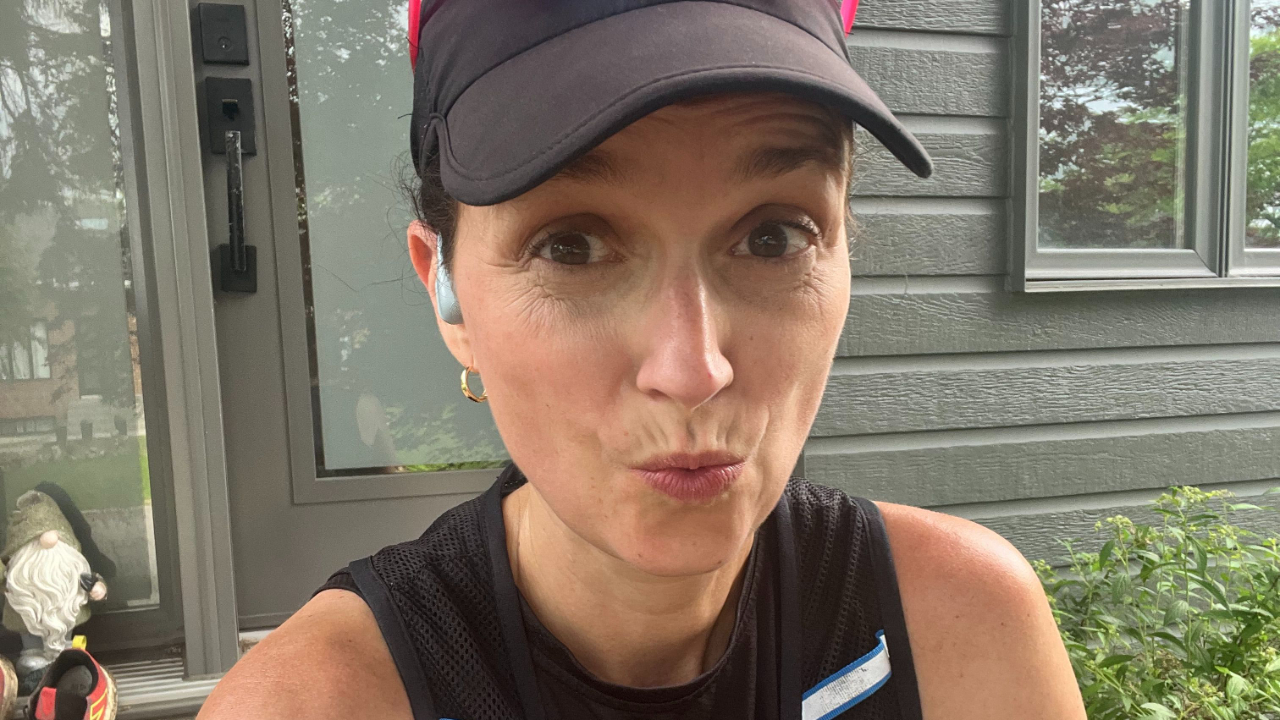
Jun 17, 2026Last week, I knew my runs would feel harder. Why? The humidity is back.
Not the kind you can ignore, but the kind that hits you as soon as you step outside. The air feels thick. Your breathing changes. And suddenly, your “easy pace” doesn’t feel so easy anymore.
So I went into my runs expecting it. I told myself: your pace will drop, and that’s okay.
And still… halfway through, I caught myself thinking, Why does this feel so hard?
If you’ve been there, you know exactly what I mean.
Because even when you understand what’s happening logically, it doesn’t stop that internal reaction. The one that questions your fitness. Your progress. Your consistency.
The Real Problem Isn’t the Weather
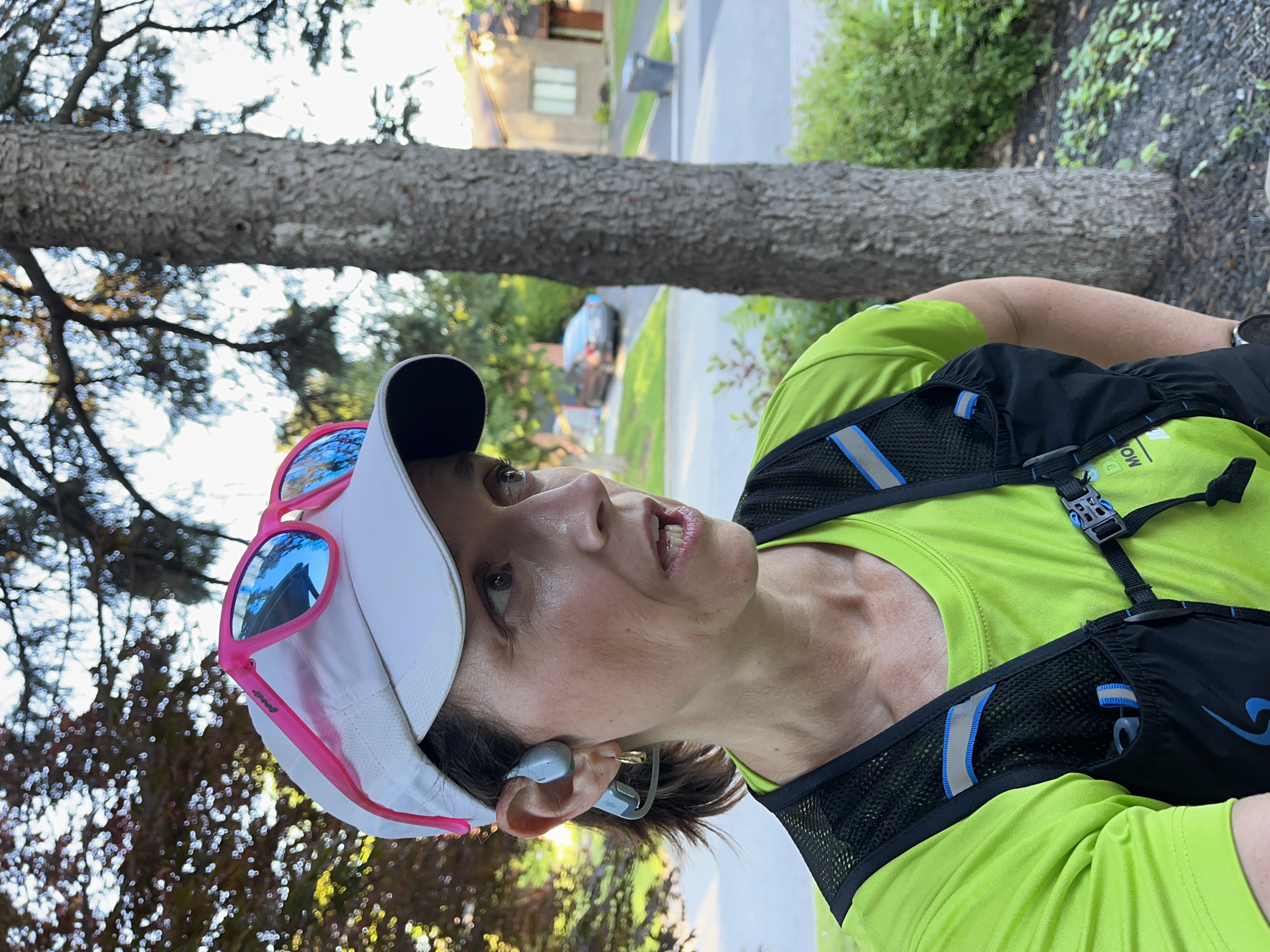
The weather is just the trigger. The real problem is how quickly we make it mean something about us.
You see a slower pace → you assume you’re losing fitness.
You feel more effort → you assume something is off.
You struggle through a run → you start doubting yourself.
But here’s the reality: Your body is working harder.
In humid conditions, your system is under more stress. Your heart rate rises faster. Your body is trying to cool itself while still keeping you moving forward.
So yes, your pace drops. That’s not a failure. That’s physiology.
Why This Matters (Especially If You’re a Start-Stop Runner)
If you tend to fall into cycles of starting and stopping with running, this is one of the moments that can quietly derail you.
Not because the run is harder.
But because of how you interpret it.
This is where the thought creeps in:
“Maybe I’m not as consistent as I thought.”
“Maybe I’ve lost progress.”
“Maybe I need to start over… again.”
And just like that, one hard run turns into a pattern.
This is why learning how to respond to changing conditions is more important than hitting a specific pace.
Because consistency isn’t built when everything feels good.
What to Do Instead
When conditions change, your approach needs to change with it.
Not dramatically. Not perfectly. But intentionally. Start by shifting how you measure your runs.
Instead of anchoring everything to pace, anchor it to effort.
If a run feels like a 6 out of 10, let it be a 6 out of 10, even if your watch tells a different story.
Adjust earlier than you think you need to. Slow down before you’re forced to. Take water without overthinking it. Shorten the run if the conditions are especially heavy.
None of this is you “falling off.” It’s you staying in it.
Because the goal isn’t to prove that you can push through anything. The goal is to keep showing up in a way that’s sustainable.
The Shift That Changes Everything
There’s a simple question that can change how you experience these runs:
Am I judging this run based on numbers… or based on what my body is actually dealing with today?
Because those two things don’t always align.
And the more you rely only on numbers, the more disconnected you become from what’s actually happening in your body.
But when you start adjusting based on conditions, something shifts. You stop fighting your runs. You start working with them.
One Final Thought
Summer running has a way of making you question your fitness.
But most of the time, your fitness hasn’t changed. The external conditions have.
And learning how to adapt to those conditions without spiraling, without quitting, without starting over is part of becoming a more consistent runner.
Because a few months from now, when the air cools down and everything starts to feel lighter again…You won’t just feel faster.
You’ll feel steady.
And that’s what actually moves you forward.
Runner's Reset:
A weekly Sunday email with simple running tips, motivation, and small actions you can actually fit into a busy life.
Quick read. Easy to implement actions. Actually usable.
Join the Runner's Reset and make running feel simple and sustainable - all at your pace.
By submitting this form, you consent to be contacted via email. This form is for communication purposes only and does not constitute professional advice.
